The Solutions
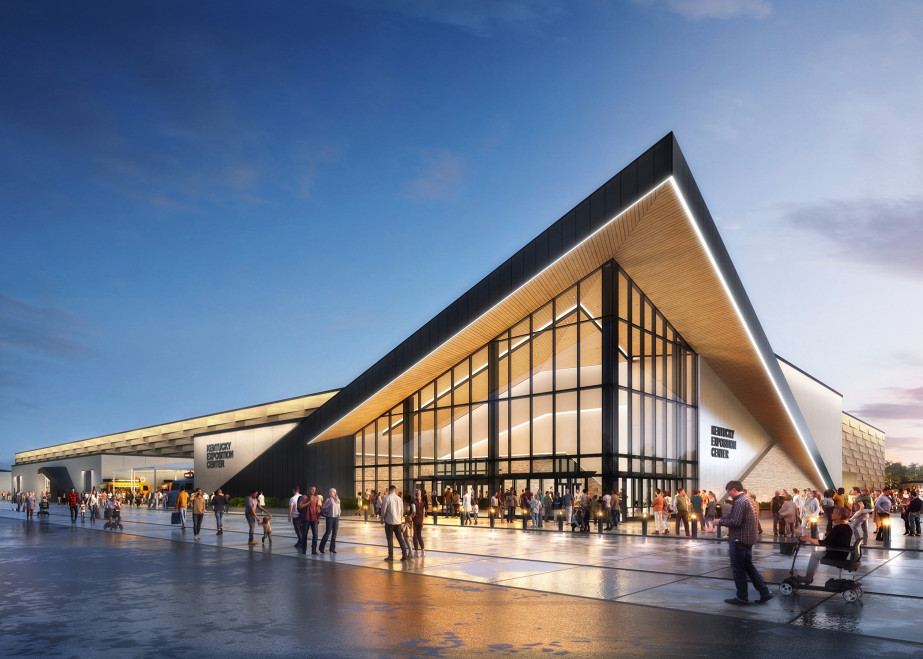
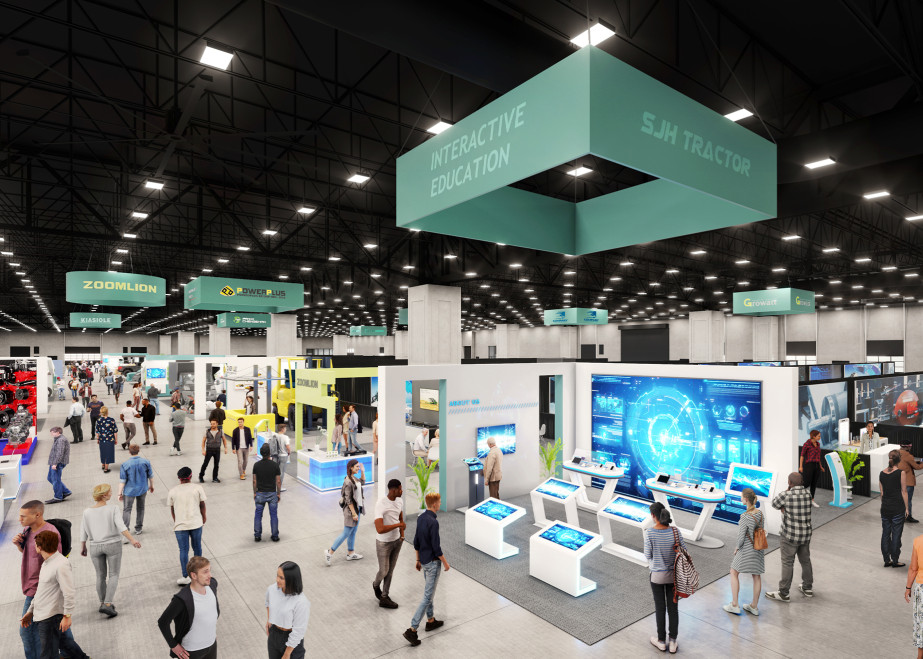
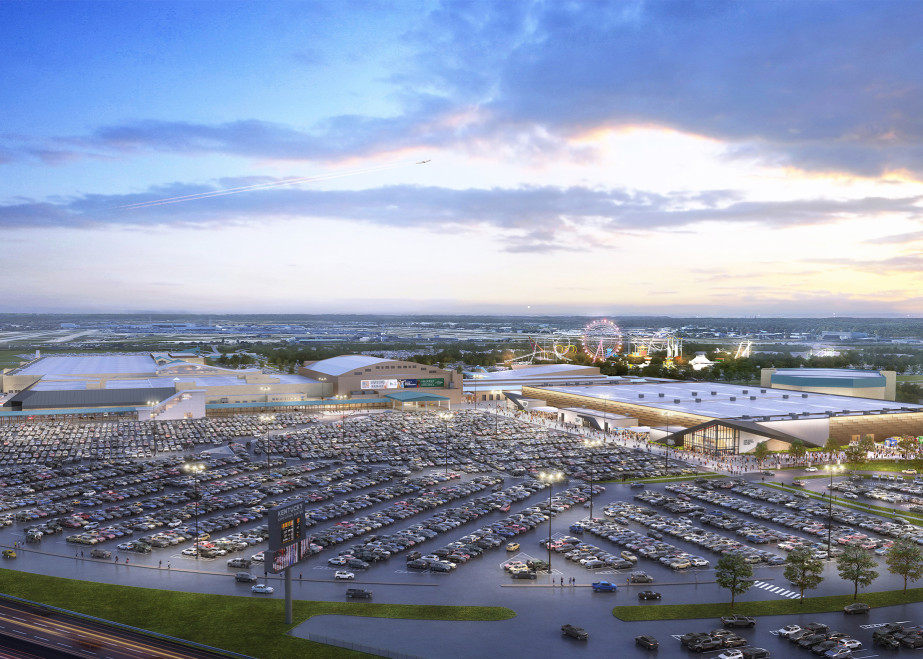
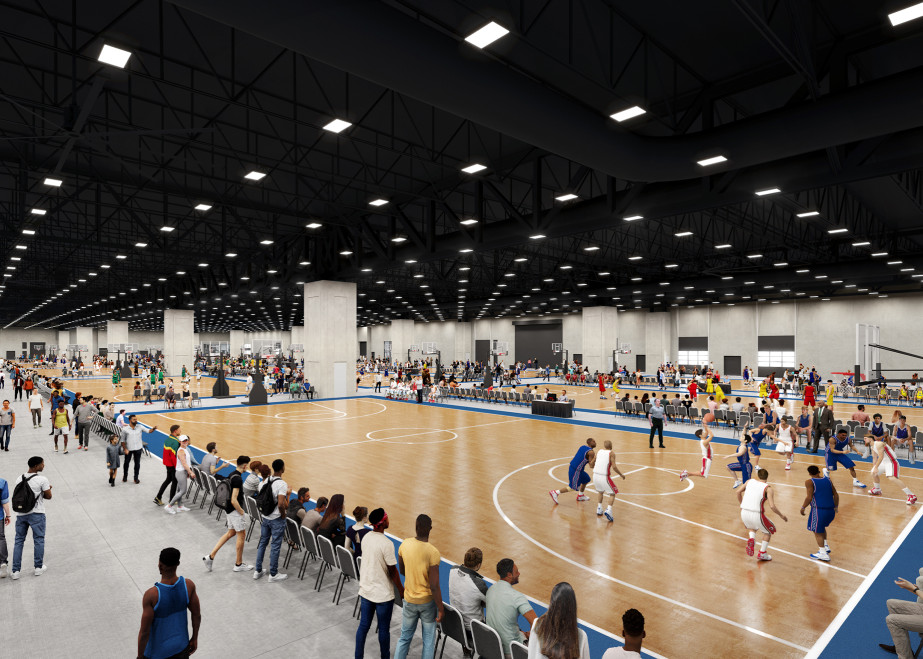
Designed to accommodate a diverse range of events—including agriculture and livestock shows, expo-style gatherings, and sports competitions—the space prioritizes flexibility and functionality. The 350,000 SF expansion is anchored by 280,000 SF of expo space, with 50,000 SF of meeting rooms, food service, restrooms, and back-of-house areas.
To support both this expansion and future phases of work, CMTA designed a new central energy plant housed within the multi-purpose building. The chilled water plant features 1,900 tons of chilled water capacity, with provisions to expand to a total of 3,900 tons in subsequent phases. Complementing this, the hot water plant includes three 6,000 MBH high-efficiency condensing boilers, with space for three additional boilers to accommodate future growth. The design also includes 600 tons of energy recovery chillers. Twelve 35,000 CFM air-handling units deliver 25% outside air and eight air changes per hour, supported by twelve 52,500 CFM relief and exhaust fans and forty 24-foot high-volume, low-speed fans to optimize comfort and airflow. Together, these mechanical systems ensure superior indoor air quality, energy performance, and operational adaptability, including modes tailored for events hosting animals and agricultural exhibitions.
CMTA also designed a robust electrical system to provide a redundant, high-capacity service capable of supporting the diverse demands of large-scale events. Dual 2,500 kVA transformers feed a double-ended 4,000-amp main switchboard, ensuring reliable power distribution. Exhibit halls are equipped with 30-by-30-foot floor box grids that deliver both 120V and 208V connections to accommodate heavy electrical loads required for trade shows, livestock exhibitions, and major events. Energy-efficient LED lighting is managed through a central lighting control system that adapts illumination levels for different event modes. Additionally, CMTA designed a 17.5 MW emergency generator plant equipped with seven 2.5 MW diesel generators and medium-voltage switchgear capable of paralleling with the utility grid, ensuring uninterrupted service for critical operations.
The design also integrates advanced technology and infrastructure for extensive connectivity and scalability. The comprehensive IT backbone links the facility to the campus-wide network, enabling network access with dense wireless coverage to meet event demands. Infrastructure for a Distributed Antenna System (DAS) improves cellular coverage, while audio-visual and fiber pathways support flexible video transmission and future expansions. To enhance visitor experience and operational efficiency, surveillance and access control systems are seamlessly woven into the existing campus network.
The team worked with our in-house acoustics engineers to minimize sound transmission across meeting rooms, lobbies, and exhibit halls. Elbow silencers were incorporated into fan ductwork, while air terminals were selected to ensure airflow balance with low noise levels. Acoustically rated doors were installed between the central energy plant and exhibit space, while chillers were equipped with third-party acoustic treatments to significantly suppress operational noise. This attention to detail ensures an environment that is comfortable, efficient, and acoustically optimized for both attendees and exhibitors.