CMTA’s unique insights helped deliver a school that is an awesome prototype for the future.
Consulting Engineering
Barkley Elementary School
DoDEA's Most Energy Efficient School
Consulting Engineering
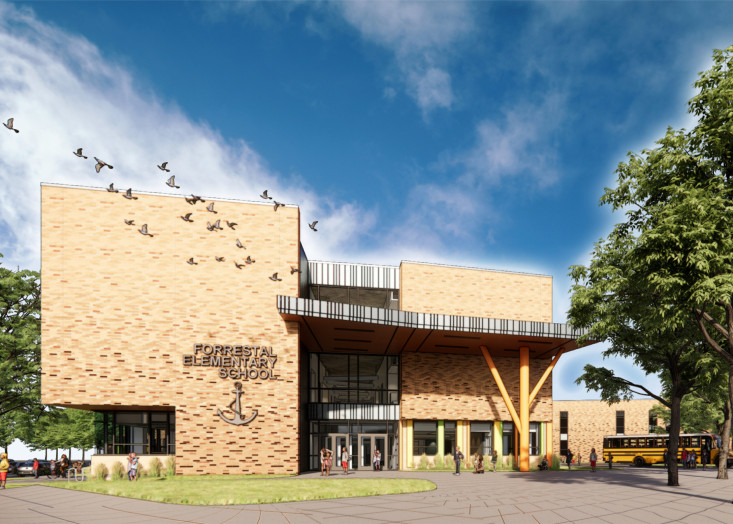
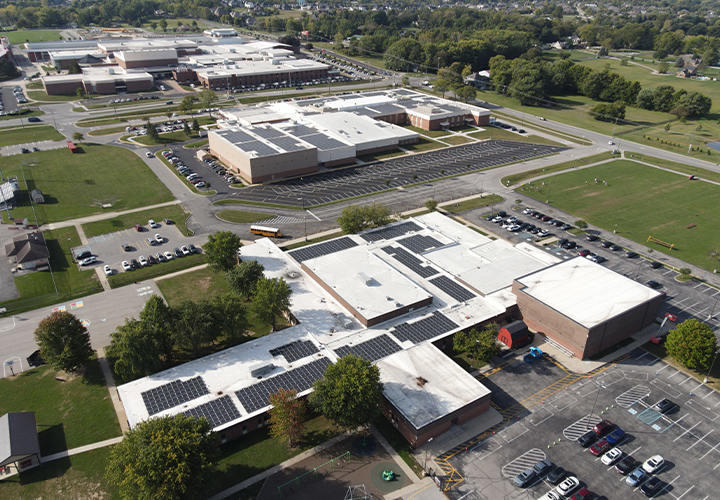
Facing aging infrastructure, inadequate access to drinking water, and the need for a modernized learning environment, the North Chicago School District made the strategic decision to replace the existing Forrestal Elementary School with a new, state-of-the-art facility. Located at Naval Station Great Lakes in North Chicago, the project was funded through the U.S. Department of Defense Public Schools Military Installation Grant.
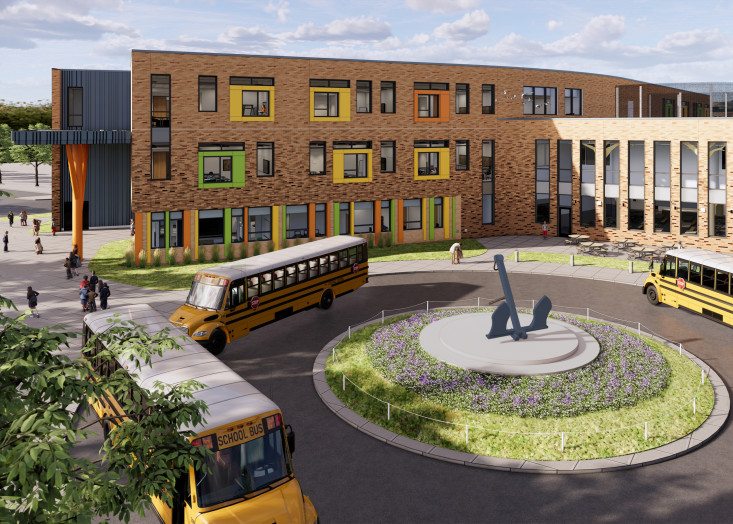
The new, 100,000 SF school features 36 classrooms, a gymnasium, art and music rooms, teacher development spaces, a warming kitchen, and an administrative suite—all designed to promote collaboration and academic success. Designed in collaboration with Perkins Eastman, Project Management Advisors (PMA), and Bulley & Andrews, CMTA provided MEP/FP engineering, low-voltage design, and energy conservation expertise for the project.
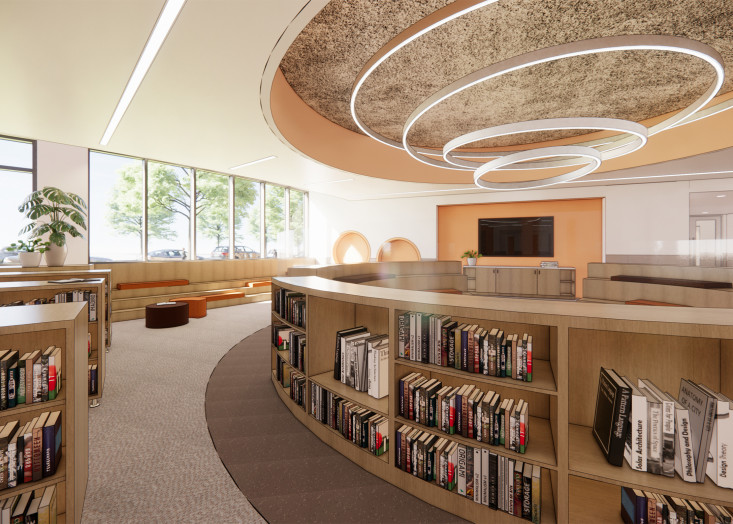
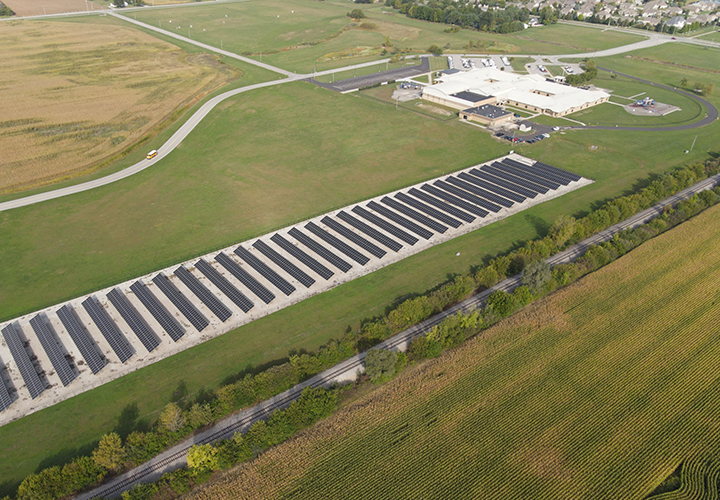
Prioritizing sustainability and literacy-focused designs, the facility achieves both energy-efficient performance and an enhanced learning environment. Designed to operate at 21 EUI, the project team integrated parametric energy modeling from the earliest design phases, optimizing critical systems such as the building envelope, HVAC, lighting, and kitchen equipment for maximum efficiency. The team also utilized daylighting, classroom acoustics, fresh air, and other wellness-focused strategies to enhance student success, create a dynamic environment, and improve learning outcomes.
A key focus of the project was breaking down cost-prohibitive and systemic barriers to implementing these high-performance solutions. The team conducted several cost analyses to ensure the project could achieve its goals within budget, making sustainability accessible through smart building design. The result is a groundbreaking facility for naval families that has improved employee retention and positively impacted the district and community.
By integrating advanced energy strategies and fostering a dialogue with community stakeholders, the project sets a precedent for sustainability in institutional buildings while creating a replicable model for equitable sustainability efforts.
Ribbon Cutting for Forrestal Elementary School - May 1, 2026